Long-Term Health Effects of the Chernobyl Disaster: 1986–2025
By Jarod Clark

Introduction
The Chernobyl nuclear disaster was not a single moment in history—it was the beginning of a long, complex public-health crisis that continues to evolve nearly four decades later. While the immediate aftermath of the explosion at Reactor No. 4 is well documented, the long-term health effects remain the subject of scientific research, political debate, and public concern.
This article explores what is known, what remains uncertain, and how new research is reshaping our understanding of the world's worst civilian nuclear accident.
1. Direct and Early Health Effects
In the weeks following the meltdown, first responders and plant workers suffered severe exposure to ionizing radiation. Acute Radiation Syndrome (ARS) caused dozens of deaths in 1986, and many survivors developed long-term complications, including chronic immune and cardiovascular conditions.
Today, researchers continue tracking outcomes among these workers, known as “liquidators,” to understand radiation’s long-term biological effects under extreme exposure.
2. Thyroid Cancer and Childhood Exposure
One of the clearest long-term health impacts is the increase in thyroid cancer, especially among children and adolescents exposed to radioactive iodine in 1986.
Thousands of cases have been documented in Belarus, Ukraine, and parts of Russia.
Fortunately, thyroid cancer is highly treatable when detected early, and survival rates are high.
However, the geographic clustering and time-delayed onset make thyroid cancer one of the most significant measurable long-term outcomes of the disaster.
3. Broader Cancer Risks: Still Uncertain
Beyond thyroid cancer, the long-term cancer burden remains heavily debated.
Studies have produced contradictory findings:
- Some estimate only modest increases in cancers attributable to Chernobyl’s fallout.
- Others project tens of thousands of potential long-term cancer cases.
- Several international bodies note gaps in data due to poor Soviet-era reporting and incomplete exposure measurement.
The scientific consensus is cautious: there is evidence of elevated risk, but quantifying the total number of cases remains impossible with current data.
4. Cardiovascular and Immune System Impact
Recent studies have identified non-cancer health effects that may be linked to radiation, including:
• Heart disease and circulatory conditions
Some liquidators show higher rates of heart-related morbidity compared to non-exposed populations.
• Immune system dysregulation
Long-term exposure, even at lower doses, may alter immune responses. Research continues into chronic fatigue-like symptoms, inflammation markers, and autoimmune trends.
These areas of research remain active because radiation’s long-term biological effects are more complex than originally understood.
5. Mental Health, Trauma, and Social Effects
Perhaps the most underrecognized impact is psychological harm.
Hundreds of thousands of evacuees endured:
- Forced displacement
- Loss of homes and identity
- Fear of long-term health consequences
- Social stigma as “Chernobyl victims”
Rates of anxiety, depression, PTSD, and alcoholism rose sharply after the disaster.
Researchers note that psychological trauma likely caused more suffering than radiation exposure for many affected populations.
6. Intergenerational Effects
Early fears predicted severe genetic harm to children of parents exposed in 1986.
Decades of studies have so far shown limited evidence of measurable hereditary mutations, but research remains ongoing.
Radiation’s subtle genetic impacts—especially epigenetic changes—are still being investigated.
This remains one of the most scientifically important, yet unresolved, areas of Chernobyl research.
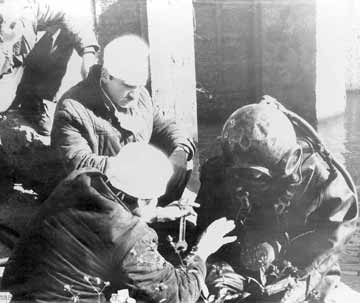
7. Liquidators: A Long-Term Health Crisis
Between 500,000 and 750,000 men and women served as cleanup workers. Many encountered radiation doses far higher than the general population.
Long-term findings include:
- Higher rates of certain cancers
- Neurological and cardiovascular issues
- Disabilities related to early ARS treatment
- Ongoing mental-health struggles
The legacy of the liquidators remains one of the most significant humanitarian dimensions of the disaster.
8. Ongoing Monitoring and Current Research Directions
Nearly 40 years later, long-term health research continues to evolve.
Newer studies—some published as recently as 2024–2025—are exploring:
- Low-dose radiation’s cumulative effects
- Epigenetic markers in affected populations
- Radiation-related impacts on inflammation and cellular aging
- Mental-health outcomes across multiple generations
- Ecological indicators of long-term environmental contamination
As new tools emerge, scientists are revisiting earlier assumptions and refining long-term health models.
Conclusion
The long-term health effects of the Chernobyl meltdown are not fully known, and in many ways, the disaster is still unfolding. While some outcomes—such as childhood thyroid cancer—are well established, other effects remain uncertain or debated.
What is clear is that Chernobyl reshaped global understanding of radiation, disaster response, and nuclear safety, and research will continue for decades.
Sources (Consolidated)
- IAEA Reports on Chernobyl Health Impacts
- WHO: Health Effects of the Chernobyl Accident
- UN Chernobyl Forum Assessments
- Ukraine and Belarus National Health Registries
- 2025 Meta-Analysis on Long-Term Health Effects (Frontiers in Public Health)
- Studies on Liquidator Health Outcomes and Cancer Risks
- Research on Psychological Impacts of Nuclear Disasters